Tuesday, April 28, 2015

The Free Design - Sing for Very Important People

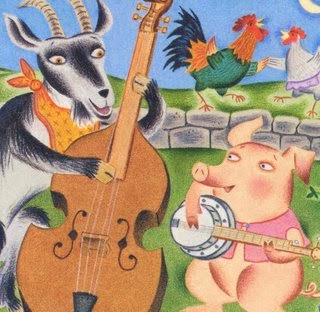
The Free Design produced an album of songs for "very important people" back in 1970, and its appeal hasn't weakened a bit as those very important people have grown up. Inspired by the release of Peter, Paul and Mary's 1969 album Peter, Paul and Mommy, The Free Design produced a batch of new songs specifically for younger listeners, combined those tunes with a few the band had already released, and came up with their fifth album, Sing for Very Important People.

The Free Design were a band of siblings from Delevan, New York, who created jazzy, bubbly, sunshine pop similar to the sounds of The Carpenters, The Fifth Dimension, The Zombies, or The Millennium. The Dedrick family lived and recorded in Queens, New York, from the late 1960s to the early 1970s, releasing seven albums during their time together.

Chris Dedrick wrote and arranged most of The Free Design's songs, although Sandy, Bruce, and Ellen Dedrick all contributed their considerable instrumental and vocal talents. Besides performing their own songs, The Free Design created unique cover versions of songs by The Beatles, The Doors, Paul Simon, The Mamas and The Papas, Tim Hardin, and The Turtles, as well as by composers like Stephen Schwartz, Hal David and Burt Bacharach, Hugo Montenegro, and George Gershwin.

The Dedrick siblings were all accomplished musicians, but during their tenure as The Free Design the band utilized the instrumental talents of some of the best session musicians around at the time. The Free Design's albums featured guitarists like Ralph Casale, Tony Mottola, and Jay Berliner, keyboardists like Paul Griffin and Dick Hyman, and bassists like Chuck Rainey.

Sing for Very Important People begins with "Don't Cry, Baby," a Carole King-like piano number that offers comfort to little ones. Joe Raposo, Jon Stone, and Bruce Hart's classic "Can You Tell Me How to Get to Sesame Street?" follows, offering an even sunnier, more upbeat version of the Sesame Street theme than the original, if that's possible! The gentle, atmospheric "Children's Waltz" asks, "what makes a raindrop fall?" while the sprightly piano ballad "Scarlet Tree" is full of vibrant imagery. The Dedrick siblings' father Art wrote "Little Cowboy," whose jazzy clippety clop helps bring little range riders' days to a gentle close.

The tune "Love You" may be the most well-known song by The Free Design because of its use on movie soundtracks and in commercials. The song was featured during the credits of the 2006 film Stranger Than Fiction, at the very end of season four of the Showtime series Weeds, and as the theme song to the internet podcast “Jordan Jesse Go." “Love You” was also featured in TV commercials for Peter’s Drumstick ice creams in Australia, “Smil” chocolate in Norway, “Cosmote” in Greece, DC Shoes’ second “Progression” short, in Toyota advertisements internationally, and most recently with Delta Airlines. "Love You" encourages grownups to find the child within and live life with a sense of wonder, via an unforgettable weave of mostly a cappella vocal harmonies.

"Ronda Go Round" describes a magical merry-go-round with a gently funky pop backing, explaining that "this one’s special, the beasts they are free, showing little children sights they can’t see." The rhythmically challenging "Bubbles," originally released on 1970's Stars/Time/Bubbles/Love, includes a wicked guitar solo and contemplates such heavy subjects as parental conflict, aging and death, and the second coming of Jesus Christ, acknowledging that kids think about heavy stuff like that. "Daniel Dolphin," a baroque, chamber music-like tune that describes a friendship with an aquatic creature, first appeared on You Could Be Born Again in 1968. And "Kites Are Fun," arguably The Free Design's poppiest, catchiest tune, was originally released on the band's 1967 album of the same name. Sing for Very Important People gently comes to a close with an a cappella "Lullaby," showcasing The Free Design's prowess at complex vocal harmonies.

The Free Design's influence on indie pop is evidenced by the output of recent bands like The High Llamas, Cornelius, Beck, Stereolab, and Belle and Sebastian. The super hip kids' show Yo Gabba Gabba! has featured covers of "Kites Are Fun" by The Parallelograms, "2002 - A Hit Song" by the Yo Gabba Gabba! house band The Yo Dazzlers, and "I Found Love" by The Trembling Blue Stars. Sing for Very Important People is a great example of The Free Design's musical strengths and aural appeal, besides being a super album for kids and their families.

Released 1970; Project 3

Track Listing
  1. "Don't Cry, Baby"
  2. "Can You Tell Me How to Get to Sesame Street?"
  3. "Children's Waltz"
  4. "Scarlet Tree"
  5. "Little Cowboy"
  6. "Love You"
  7. "Ronda Go Round"
  8. "Bubbles"
  9. "Daniel Dolphin"
  10. "Kites Are Fun"
  11. "Lullaby"

Monday, March 30, 2015

Mailbox Monday: What's New in Kindie Rock

Alison Faith Levy - The Start of Things

(Release Date: April 21, 2015; Mystery Lawn Music)

Former member of San Francisco's The Sippy Cups drops her second kindie rock solo album. Tunes include a cover of Cat Stevens' "If You Want to Sing, Out, Sing Out." Soulful and groovy.

Standout Track: "Rainbow Tunnel"


Future Hits - Today is Forever (Hoy es para siempre)

(Release Date: May 5, 2015; Coach House Sounds)

Down-to-earth indie rock from Chicago. Each catchy, organic, and educational tune is performed twice, once in English and again in Spanish. Nice addition to ESL classroom collections; comes with bilingual lyric booklet.

Standout Track: "Morning Ritual"


Keith Munslow - Tiny Destroyer

(Release Date: April 7, 2015; Needlenose Music)

The tunes on Munslow's seventh kindie release combine a variety of musical styles, comedy routines, storytelling, and humorous lyrics. The results sound like a cross between Steve Martin, "Weird Al" Yankovic, and a Broadway musical.

Standout Track: "Old Joe's Bones"

Thursday, March 26, 2015

Lead Belly - Play Parties in Song and Dance as Sung by Lead Belly

Huddie Ledbetter had a long and storied life, both in and out of music. Rather than reiterate the details, most of which can be found using much more knowledgeable sources, we'll keep it simple here by concentrating on what might interest you readers the most: Play Parties in Song and Dance as Sung by Lead Belly, his first collection of children's songs. When the album was first issued in 1941, Walter Winchell famously blasted its release, stating, “How could one issue a children’s record by a convicted murderer?” Again, check out one of the Lead Belly bios listed below to get the full story behind such an incendiary statement!

The songs on Play Parties were recorded during May and July 1941 for Asch Recordings, Moses Asch's indie record label, and released as a three-disc 78 rpm set that same year. Those six tunes were later issued on the Stinson Records label in 1952 (that's the image used here). "Ha, Ha Thisaway" is an upbeat song that highlights Ledbetter's enthusiastic 12-string strumming and bright, joyful singing. This particular sing along describes a somewhat difficult childhood, as the singer's dad leaves the family at 12 yrs, although his mom never whooped him and he seemed to have a good time at school. Like many of the children's tunes he performs, Lead Belly explains the movements and motions of the ring song "Little Sally Walker" in the tune's intro.

"Redbird" is a more spirited circle song than "Sally Walker" in that everyone is circling simultaneously with or without a partner. This is a great shouting tune for group performances as kids yell out the title of the song during the game. The spirited "Christmas Song," a holiday tune known variously as "Christmas Is A-Coming," "Almost Day," and "Chicken Crowing for Midnight,"  describes kids' excitement about Christmas morning as they play out in the yard 'til midnight and the chicken signals the approaching holiday hour. "Skip to My Lou" is the most universally popular song on Play Parties, and countless entertainers have recorded their version of the old tune. Pete Seeger covered Ledbetter's version on Birds, Beasts, Bugs and Little Fishes,  a 10-inch album released in 1955 by Folkways Records. "You Can't Lose Me Cholly" is an oddity in that it's based on the song "Can't Lose Me, Charlie" written by Harry S. Miller in the late 1890s. Miller was well-known for his (to our modern ears, disturbingly racist) minstrel songs, but the emphasis here is on Lead Belly's energetic 12-string work.

Much has been written about Lead Belly and his music, so I won't go into a detailed history here. But to get even more insight into these particular songs, check out The Leadbelly Song Book, edited by Moses Asch and Alan Lomax, published by Oak Publications in 1962; or The Leadbelly Legend, edited by John and Alan Lomax, published by TRO/Folkways Music in 1959. Additionally, the album notes for the Smithsonian Folkways CD Lead Belly Sings for Children contain lots of great info. And for more evidence of the power of his voice and guitar, dig specifically the tune "Gallis Pole," a tune from which Led Zeppelin generously borrowed for their song "Gallows Pole" on Led Zeppelin III.

Originally Released 1941; Asch Recordings

Track Listing
  1. "Ha, Ha Thisaway"
  2. "Little Sally Walker"
  3. "Redbird"
  4. "Christmas Song"
  5. "Skip to My Lou"
  6. "You Can't Lose Me Cholly"

Thursday, March 12, 2015

The Effects of GRAMMY Streamlining: Good or Bad for Kindie Rock?

From 1993 to 2010 the annual GRAMMY Foundation awards included the category "Best Spoken Word Album for Children." During that span you might have heard award winners like Bill Harley telling amusing stories, Tom Chapin narrating picture books, and Jim Dale reading Harry Potter novels, along with various actors and politicos retelling fairy tales or verbally accompanying classical music pieces.

This past year marked the first time since the Foundation's move to a more streamlined children's genre that an audiobook was awarded the top GRAMMY prize for the kids' music category. The incredible story of Malala Yousafzai had already caught the attention of millions through her co-written autobiography I Am Malala: The Girl Who Stood Up for Education and Was Shot by the Taliban. A young reader version was later published as I Am Malala: How One Girl Stood Up for Education and Changed the World, and the audiobook of this tome won the 57th Annual GRAMMY Award for "Best Children's Album."

So why am I even bring up these points? Stefan Shepherd over at Zooglobble wrote up a great, thought-provoking article about the Children's GRAMMYs that got me thinking. If you look at the list of the most recent nominations for Best Children's Album, you'll notice a ton of super choices afforded judges. These included The Pop Ups' Appetite for Construction, Brady Rymer's Just Say Hi!, Secret Agent 23 Skidoo's The Perfect Quirk, and The Okee Dokee Brothers' Through the Woods, any of which deserved to win the GRAMMY if the category had remained music-only.

My reasoning is that at the very least, the discussions and arguments brought up by this year's winner will help draw the attention of less-informed listeners to inspiring stories like Yousafzai's and to the quality and diversity of new kindie rock music. Hey, if you need more proof of the improvement in children's music GRAMMY nominations in recent times just take a look at the choices between about 1978 to 2002:  a full 16 GRAMMY winners were Disney, Pixar, or Sesame Street products. Any press afforded quality kindie rock is wonderful, and we should be thankful for and proud to include I Am Malala as a fellow nominee in helping to bring new ears to your musical creativity.

Friday, February 20, 2015

Nathalia - Dream a Little (Sueña un Poquito)

Colombian-born singer, music therapist, and early childhood music educator Nathalia Palis-McLaughlin began her Kindie Rock career with the release of From Here to There in 2012. As there is a dearth of well-produced bilingual kids' music out there, it's good to see the arrival of her second collection of songs in Spanish and English, Dream a Little (Sueña un Poquito). The album is highlighted by the work of GRAMMY-winning engineer and co-producer Shafik Palis as well as by the talents of Andres Castro, Fernando Perdoma, Juan De Luque, and Mark Nilan Jr., among others. The musicians in Nathalia's band have worked with a constelación of Latin music estrellas, including Carlos Vives, Alejandro Sanz, Paulina Rubio, Christian Castro, Jennifer Lopez, and Ricky Martin.

Dream a Little blasts off with a trip into outer space where Nathalia explores "Los Planetas" with a buzzing power pop tune. The bubbling "El Amazonas" describes the remarkable flora and fauna of the Amazon jungle and features a rap by Colombian singer/songwriter Juan De Luque, while "Magical" celebrates the power of our imaginations via a waltzing power ballad. The explosive and uplifting "Shine" is perfectly crafted for the dance floor, and the biographical story of "Norah's World" vibrantly bops along as a little girl imaginatively interacts with neighborhood animals.

"Pop Pop Pop" celebrates the joy of blowing bubbles, while the retro feel of the movement song "Shake Them Bones" makes for a perfect Halloween dance ditty. "Tu Dia Puedes Cambiar" mixes reggaeton with an Ace of Base feel, and asserts that you can change your day by keeping in mind the wonderful aspects of our world. Nathalia assures her dog "There's No One Like You" as she lists all the meaningful ways her canine friend enriches her life (and listen for the great wordless harmonies in the chorus and Randy Singer's Mickey Raphael-like harmonica runs!). Dream a Little quietly comes to a close with the brief "Sueño Feliz," as Nathalia and her ukulele wish listeners happy dreams.

Sure, there have been several superb bilingual Kindie Rock releases in the recent past (dig Lucky Diaz, Elena Moon Park, Mariana Iranzi, etc.). What sets Dream a Little apart from most of those albums, though, is the production quality. Brian McLaughlin and Shafik Palis have masterfully integrated modern sounds and organic instrumentation to create catchy, up-to-date, radio-ready tunes that'll catch the ears of listeners both young and old. Add Dream a Little to your bilingual Kindie Rock collection, then make sure to check out the official Nathalia website for more information about her tour dates and music releases.

Released December 12, 2014; Nathalia Music

Track Listing
  1. "Los Planetas"
  2. "El Amazonas"
  3. "Magical"
  4. "Shine"
  5. "Norah's World"
  6. "Pop Pop Pop"
  7. "Shake Them Bones"
  8. "Tu Dia Puedes Cambiar"
  9. "There's No One Like You"
  10. "Sueño Feliz"

Monday, January 12, 2015

Suz Slezak - Watching the Nighttime Come

Critical darlings David Wax Museum have been creating sonically inventive and intriguing music for several years now, releasing their first album I Turned Off Thinking About in 2008. In general, the fiercely independent band showcase David Wax's exploration of the son mexicano genre; however, Suz Slezak utilizes the band's more ethereal sounds in making her album of quiet tunes: think Eno and Lanois remaking Beck's Sea Change with Ruth Moody or Aoife O'Donovan singing lead, and you have an approximation of what to expect on Watching the Nighttime Come.

The first few seconds of the album give listeners a good idea of where Slezak and her production team Josh Kaufman and Nate Martinez are coming from. Distant, echoing, atmospheric percussion leads into a simply-strummed acoustic, pedal steel, and organ, reminiscent of a long lost Friends of Dean Martinez tune, and asks the cosmic question "Where Did You Come From." Backgrounds continue to play a major part in the songs as guitar and vocal are decorated by shimmering, whispery washes of notes and chords on "You Got Love," lyrically surrounding a young child with a multitude of loving relatives and caregivers.

Slezak co-wrote the title tune "Watching the Nighttime Come" with bandmate/husband David Wax, a song that describes the wondrous aspects of a day-ending sunset and marries surfer/musician Donavon Frankenreiter's laid-back, shuffling style with Fleet Foxes' experimental sonics. The old English folk song "Leather Winged Bat" quietly choogles along like a Johnny Cash tune; and dig the great dramatic transitions from verses to choruses. Caspar Babypants recently covered this classic on his album Here I Am!, giving it new lyrics and retitling the tune "Brown and Lonely Worm." During the instrumental "Jessie's Waltz," fiddle, guitar, and organ are slowly and somberly propelled by tambourine and thudding kick drum, bringing to mind a panoramic view of the sun falling below rolling, aging hills.

One of my favorites from Watching the Nighttime Come is the epic "Tallis Canon," a 500-year-old hymn that, in the hands of Suz Slezak, sounds like a glorious outtake from Brian Wilson's Beach Boys Smile project. She and her band/producers create a track that could easily be the centerpiece of an album by The High Llamas, Stereolab, or Spiritualized. Slezak's brief version of the Chilean folk song "Caballito Blanco" begins with subtle harmonica work, then blooms into a bouncy psychedelic romp that sounds like a collaboration between Os Mutantes and Harry Nilsson. Renowned family music performer José-Luis Orozco recorded his more traditional take on the tune for his classic De Colores and Other Latin American Folk Songs for Children.

The final few songs on Watching the Nighttime Come form a trilogy of calming tunes, beginning with "The Quietest Star," a short, piano-led instrumental that features sounds of the evening twilight. Slezak closes the album with two covers, fiddler Alan Kaufman's "Yodel Lullaby" and renowned songwriter/singer Leonard Cohen's "Hey, That's No Way To Say Goodbye." The former is a cosmic cowboy ballad that sleepily wobbles, like a tired child's nodding head; the latter, a tender breakup tune appearing on Cohen's 1967 debut Songs of Leonard Cohen, could serve as a gentle introduction for tiny ears to his catalogue.

Strictly speaking, Watching the Nighttime Come isn't a lullaby album; Slezak's songs belong in a genre I like to call "Naptime Music," songs that provide a restful background for those not quite ready to snooze. If you like Suz Slezak's work on Watching the Nighttime Come, check out Mr. David's The Great Adventures of Mr. David, Kesang Marstrand's Hello Night, or Dean Jones' Napper's Delight. And for more info about Slezak's music or tour dates, stop by the official David Wax Museum website.

Released February 10, 2015; Mark of the Leopard

Track Listing
  1. "Where Did You Come From"
  2. "You Got Love"
  3. "Watching the Nighttime Come"
  4. "Leather Winged Bat"
  5. "Jessie's Waltz"
  6. "Tallis Canon"
  7. "Caballito Blanco"
  8. "The Quietest Star"
  9. "Yodel Lullaby"
  10. "Hey, That's No Way to Say Goodbye"

Tuesday, January 06, 2015

Fox & Branch - Let Us Get Together

Fan of the oldies? I mean the reeealy old oldies? Dave Fox and Will Branch have been bringing traditional, roots, and folk music to the attention of families for two decades. The Milwaukee-based duo have issued five albums for kids and their grownups including Mama Don't Allow (2002), Did You Hear That? (2007), Take Time in Life (2009), Things are Coming My Way! (2011), and 2014's CD of originals and covers Let Us Get Together. Their recording debut Bootlegger's Blues (2001) and later album Hot Time (2007) are considered grownup releases, but hey, the entire family will dig both collections. Although their albums are great, Fox & Branch's drawing card is their interactive, informative, and entertaining live show, so make sure to catch them in concert if possible!

Let Us Get Together kicks off with a jaunty Vaudeville-blues song describing qualities that make one a "Big Kid" now, complete with a Spike Jones-inspired instrumental breakdown. The next tune suggests we respect the calmness and sanctity of nature as we walk "In the Woods," increasing the likelihood of seeing and hearing the wonders of those special places. The duo then perform their rendition of Elizabeth Cotten's "Shake Sugaree," a tune covered by Taj Mahal, Fred Neil, and Bob Dylan, among others; fiddler Susan Nicholson takes over lead vocals on the quiet song. The animals and landscape of Arizona are described during a trip out west as Tejano music spices up the tune "Tucson," and fellow Milwaukee resident Lil' Rev (aka Marc Revenson) sings the traditional Hebrew song "Zum Gali Gali" accompanied only by his banjo. The stark clarity of the performance makes it perfect for young classrooms learning the lyrics and melody.

"New Orleans Hop Scop Blues" was written by George Thomas Jr., one of the earliest champions of the boogie woogie piano style, of which this early 20th Century tune is one of the first examples. Fox & Branch perform a breezy, mandolin-led version; as a contrast, make sure to check out Bessie Smith's grittier, bluesy version! The band then promote the joys of being "Up in a Tree" as the waltzing tune describes the sense of greatness a young boy feels high in the branches. "Let Us Get Together" was written by blues singer and guitarist extraordinaire Reverend Gary Davis, who was a particular inspiration to Jorma Kaukonen and Jack Casady's Jefferson Airplane side project Hot Tuna (one of my favorite bands!).

The gently waltzing "Stewball," a British folk song that first appeared in the 18th Century, tells the story of a celebrated racehorse. Interestingly, John Lennon later inadvertently borrowed the melody for his single "Happy Xmas (War is Over)"! The brief and rousing instrumental "Banjo Tramp" utilizes that five-string instrument, fiddle, and tambourine to create a great square dance tune. Then the duo cover the food-related "Aiken Drum," a now-popular nursery rhyme and song from Scotland that dates back to the early 19th Century. Harold Arlen (music) and Johnny Mercer (lyrics) wrote "Ac-Cent-Tchu-Ate the Positive" in 1944, and the song appeared in the film Here Come the Waves that same year. Fox & Branch's version of "Accentuate the Positive" keep the joy of the original while trimming down the musical backdrop.

"I've Been Working on the Railroad" dates back to the late 1800s, with an end section originating even earlier that century. The tune usually gets a rowdy, rousing reading; however, Fox & Branch invited recently-passed Milwaukee musical legend Larry Penn to deliver his gentle, fingerpicked version, accentuated by his warm, back porch vocals and a brief, historical medley. "Life is Good" cheerfully saunters along, cataloging the endless joys of childhood (and reminding us grownups to keep those tiny, wonderful moments in mind). The album comes to a tender close with Will Branch's "When You Were Born," as fiddle and fingerpicked guitar help celebrate the arrival of a loved one.

Not only is Let Us Get Together a nice listen, it's a great place for families to begin an exploration of blues, folk, traditional music. Like I said before, the album is just a jumping off point: go to a Fox & Branch concert and get the full experience of music history, song and performer backstories, and lots of interactive fun. Oh, and check out Jessica Billey's awesome linocut artwork that graces the cover of Let Us Get Together! The original, titled "The Gathering Tree," can be seen on Billey's website. And for tour dates and more info about the duo who created the music within the album, make sure to visit the official Fox & Branch webpage.

Released 2014; Doodleywag

Track Listing
  1. "Big Kid"
  2. "In the Woods"
  3. "Shake Sugaree"
  4. "Tuscon"
  5. "Zum Gali Gali"
  6. "New Orleans Hop Scop Blues"
  7. "Up in a Tree"
  8. "Let Us Get Together"
  9. "Stewball"
  10. "Banjo Tramp"
  11. "Aiken Drum"
  12. "Accentuate the Positive"
  13. "I've Been Working on the Railroad"
  14. "Life is Good"
  15. "When You Were Born"